Posts

Long-term complications of Double J stent

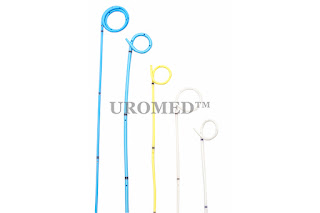
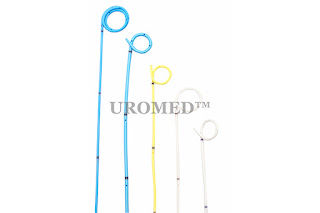
Double J stents are used in urology processes; the stents are kept for around 4-6 weeks to help heal the ureter, treat kidney stones and drainage of urine. The short-term use of Double J stents is associated with mild symptoms, whereas long duration can result in severe symptoms. Hence, it is essential to keep track of the installation and removal of the stent. Ø   The most common complication after installing the stent is stent syndrome. It is a collection of pain, frequency, urgency and discomfort. It usually happens due to the physical characteristics of the stent. Often the stent imposes discomfort due to its extra coil length, or the body finds it difficult to adjust to foreign material.   Ø   Long term complications of prolonged presence of stent can lead to misfunctioning of the kidney. Over time the stents also start to lose their tensile strength, cracks and tend to fracture. Silicone stents are much comfortable due to their flexibility, whereas polyuretha...
The risk factors of forgotten double-J stents

Image
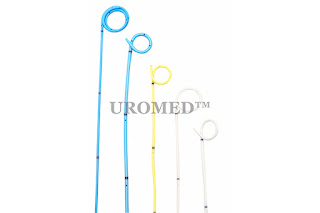
Ureteral stents are an essential part of urology practice, and different types of stents are available for medical procedures. Unfortunately, there is no definite method for installing or removing the stent, so it depends entirely upon the physician how to take forward the process. In addition, there is a different period of every stent. Some stents are inserted for a short period, whereas we can install others for a more extended period depending upon the requirements. But sometimes, the stent is forgotten due to the carelessness of the patient or physician. The extension results in severe effect on the patient’s health and require specific medical procedures to take out the stent.    The installation of stents has its difficulties, and it depends upon the time frame. The short-term side effects of inserting stent include pain, haematuria and infection. In contrast, long term side effects of installing stents can be stone formation, fracture, blockage of stents any other....

All you need to know about Ureteral Stent?

Image
What is ureteral stent? A ureteral stent is a thin plastic tube that helps dispose of urine from the kidney to the bladder. A stent is used when the bladder cannot empty itself for several reasons; it is majorly used in treating kidney stones.    What is a ureter? A ureter is a thin tube-like structure in the central part of the abdomen. Typically there is one ureter for each kidney. However, some people are born with two ureters for one kidney or one ureter per kidney.    What is a stent? A stent is a hollow tube placed in the ureter for helping the urine to dispose from the kidney to the bladder. The stent has small bends on both ends to sit well, one curl is in the kidney, and the second curl is in the bladder. A ureteral stent can be placed due to many reasons like inability to dispose of the urine, difficulty in urination or excessive urination.    A ureteral tube can be blocked for many reasons: Kidney stones are the primary cause of the...

Features of an Optimal Double J Stent Placement Technique

Image
Catheters are used in many urology processes for different operations. There is no universal technique for placing a catheter. Every urologist has his/her technique, but certain features are required to keep in mind while placing a catheter. Use the correct length: it is essential to have a double J stent with an accurate measurement; there are different ways of measuring the ureter length like CT, Retrograde, X-ray but the most precise method to measure the length is directly if possible. A 5–6-inch open-ended catheter is placed into the renal pelvis. A small amount of diluted contrast is injected into the open-end catheter. If the ureteral length matches an odd number, take the catheter, which fits a shorter length. There is sufficient length in the coils which can add up to an extra cm. This is why a longer catheter will impose discomfort for the patient.   Rigid catheter: the rigidness of the stents should be ch...

What can you expect after receiving Ureteral Stent?

Image
A ureteral stent is a thin plastic tube used in the process of stone removal. Insertion of the ureteral stent is considered a minimally invasive surgery that reduces the risk of infection many folds than any other traditional method. It is often involved in surgeries related to the urinary tract. It connects the kidney to the bladder and helps to transfer the urine from the kidney to the bladder. The stent is flexible and has curved ends on both sides, and can be kept inside the ureter to empty the bladder.  A stent is most commonly used to pass any obstructions of the ureter, to let the ureter heal after surgery or to treat kidney stones. Sometimes a stent can be life-saving if used to remove any obstruction associated with any infection. Manishmedi is a ureteral stent supplier making high quality products for its customers.  The stent also helps the ureter to broaden up. The broadening of the ureter helps in removing stone for the future and passing down the stone fragment...

How Long Can You Leave a Biliary Stent In?

Biliary Stents People are moving towards minimally invasive surgeries due to the many benefits they have. The biliary stent is a minimally invasive medical equipment reducing the risk of any infection. A biliary stents is a thin plastic or metal tube inserted into the biliary duct to clear any obstructions. Obstructed bile in the liver leads to many problems, which include pale skin, itching and nausea. The stent helps in clearing out the obstacle and aiding the system.  There are various reasons why the bile can be obstructed which are: Pancreatic cancer Inflammation of the pancreas Gallstones Radiation therapy Internal injury Inflammation of bile ducts What should you do before inserting a biliary stent ? You should avoid eating or drinking at least 6 hours before the insertion of the stent. Tell your physician about your medication history, especially if you are allergic to iodine.  You will be given antibiotics which will be continued for several days. During the process:...

What is the purpose of a double J stent?

Image
In today’s medical sector, everyone prefers minimally invasive surgeries as they are likely to be less risky, and also, the patient recovers fast. Double J stent is minimal invasive equipment used for urology procedures. Every urologist has its method of double J Placement because no technique is universal. Some surgeons cut the safety thread in advance so that it does not obstruct the path. Some will choose the length according to the patient or use the exact size of the stent.  Double J stents are urological endoscopic equipment used to stabilize the ureter after any surgery or in a condition wherein the bladder is unable to empty itself. The stents are also used as a mild ureteral dilator ; if a narrowed or strict ureter is found, the stent helps dilate the lumen and result in an easy surgery further. The stents are available in various diameters and lengths used for different purposes. Also, the Double J stent price varies a lot according to different needs. Multiple steps tha...