Catheter manufacturers
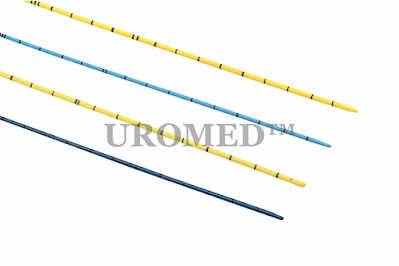
The PCN catheter was originally described by urologist Dr Willard Goodwin in 1955 as a minimally invasive, x-ray guided temporary or permanent procedural alternative to traditional surgery in patients with hydronephrosis. Catheter manufacturers using clinical data find four broad indications for a PCN placement, which are; first for the relieving of urinary obstruction, second, diagnostic testing, third for access, for therapeutic interventions, and fourth urinary diversion. PCN catheter Relief from urinary obstruction is the most common cause for PCN catheter placement representing 85 to 90% of recipients. The top three causes of renal obstruction in adults are iatrogenic benign stricture, urinary stones, and malignancy. From imaging, diagnoses can be made with computed tomography (CT), ultrasound, magnetic resonance imaging (MRI), or nuclear medicine of renal obstruction. Ultrasound is usually option one due to high sensitivity for detecting a dilated collecting system...

Comments
Post a Comment